A golf slice vs golf hook comes down to one core difference: a slice curves away from you (left-to-right for right-handers), while a hook curves toward you (right-to-left). Both shots stem from clubface alignment and swing path issues, but they require opposite fixes. Whether you're fighting a banana slice off the tee or watching your ball dive-bomb into the left rough, understanding the mechanics behind each miss is the first step toward straighter shots. If you're still building your foundation, our golf fundamentals guide covers the basics you'll need before diving into shot-shaping corrections.

Here's the thing most golfers get wrong: they treat slices and hooks as purely swing problems. In reality, your grip, stance, equipment, and even mental approach all feed into whether the ball curves left or right. A slice is far more common among amateurs — roughly 70% of recreational golfers fight one — but a hook can be equally destructive when it shows up. The good news? Both are fixable once you know what's actually happening at impact.
This guide breaks down the causes, fixes, and practice routines for each shot shape so you can diagnose your miss and get back to hitting fairways.
Contents
Understanding the Slice and Hook
Before you can fix either shot, you need to understand the ball flight laws that govern them. The relationship between your clubface angle at impact and your swing path determines whether the ball curves left, right, or flies straight. This isn't opinion — it's physics, and it applies identically whether you're swinging a driver or a wedge.
What Causes a Slice
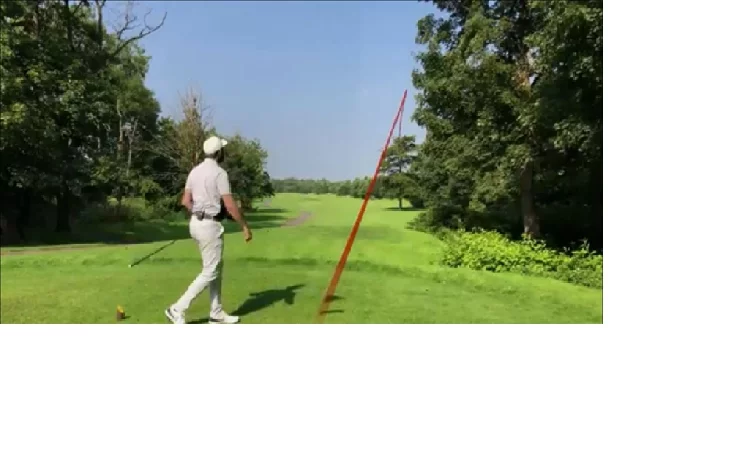
A slice happens when your clubface is open relative to your swing path at impact. For a right-handed golfer, this imparts clockwise sidespin that pushes the ball left-to-right. Common culprits include:
- A weak grip that allows the face to stay open through impact
- An over-the-top swing path (outside-to-inside)
- Poor weight transfer — hanging back on your trail foot
- Cupped lead wrist at the top of the backswing
- Early release of the hands before impact
The severity of your slice depends on how much the face is open relative to the path. A 2-degree difference produces a gentle fade. A 6-degree difference sends the ball into the parking lot.
What Causes a Hook
A hook is the mirror image — the clubface is closed relative to your swing path, creating counterclockwise spin (for right-handers). Your ball starts right of target and dives hard left. Causes typically include:
- An overly strong grip that rolls the face shut
- Excessive hand rotation through the hitting zone
- An inside-to-outside swing path that's too extreme
- Stalled body rotation forcing the hands to flip
- Ball position too far back in your stance
Hooks tend to be lower and run farther than slices because the closed face de-lofts the club. That's why a hook into trouble often leads to worse scores — the ball doesn't stop quickly.
Key Differences at a Glance
| Factor | Slice | Hook |
|---|---|---|
| Clubface at impact | Open to path | Closed to path |
| Curve direction (RH) | Left to right | Right to left |
| Typical ball flight | High, weak, short | Low, hot, runs out |
| Common among | Beginners/high handicaps | Better players/low handicaps |
| Spin type | Clockwise sidespin | Counterclockwise sidespin |
| Distance loss | Significant (20-50 yards) | Moderate (10-30 yards) |
| Grip tendency | Too weak | Too strong |
| Path tendency | Outside-in | Inside-out (excessive) |
Pro tip: If you're unsure whether you're hitting a slice or a pull-fade, check your divot direction. A divot pointing left of target confirms an outside-in path — the hallmark of a true slice swing.
When Each Shot Shape Actually Helps You
Here's something that might surprise you: neither a slice nor a hook is inherently bad when controlled. The pros don't hit the ball dead straight — they work it one direction intentionally. The difference between a slice and a fade (or a hook and a draw) is simply the degree of curvature and whether you planned it.
The Controlled Fade (Tamed Slice)
A fade — the gentler version of a slice — is actually preferred by many tour players. It offers:
- A softer landing angle that holds greens better
- More predictable distance control
- Less risk of a big miss left (for right-handers)
- Better performance on dogleg-right holes
If you're working on your draw vs. fade game, know that players like Jack Nicklaus and Ben Hogan built Hall of Fame careers around controlled fades. You don't need to eliminate all left-to-right movement — just tame it.
The Controlled Draw (Tamed Hook)
A draw typically produces more roll-out and distance, making it attractive for players chasing extra yards. It's useful when:
- You need maximum distance off the tee
- The hole doglegs left
- Wind is blowing left-to-right and you need to fight it
- Pin positions favor a right-to-left approach angle
Understanding when each shape serves you is part of getting better at golf overall. Course management means choosing the right shot shape for the situation, not forcing the same ball flight on every hole.
How to Fix Your Slice Step by Step
Fixing a slice requires addressing both the clubface and the path. Tackle the face first — it's responsible for about 75% of your ball's starting direction according to modern ball flight research.
Grip Adjustment
Your grip is the only connection between you and the club, so start here:
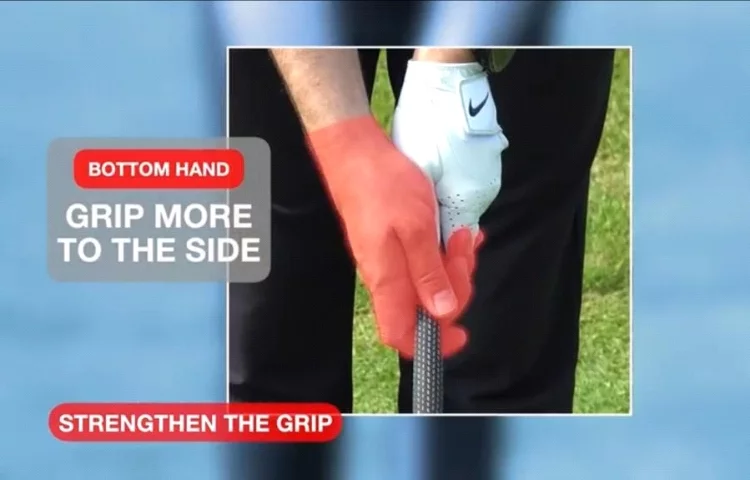
- Rotate both hands slightly clockwise on the grip (strengthening the grip)
- You should see 2.5 to 3 knuckles on your lead hand at address
- The "V" formed by your thumb and index finger should point toward your trail shoulder
- Maintain consistent grip pressure — about 4 out of 10
This single change helps many golfers reduce their slice by 50% or more without touching anything else in their swing.
Correcting Your Swing Path
An outside-in path is the other half of the slice equation. To fix it:
- Headcover drill: Place a headcover 6 inches outside your ball and slightly behind it. If you hit the headcover, you're coming over the top.
- Feel like you're swinging toward right field (for right-handers)
- Start the downswing with your lower body, not your shoulders
- Keep your trail elbow tucked closer to your body on the downswing
The key is getting the club to approach from inside the target line. Even a neutral path (straight along the target line) paired with a square face will eliminate your slice entirely.
Clubface Control
Beyond grip changes, you can train a squarer clubface through:
- Bowing your lead wrist slightly at the top (flat or slightly flexed, never cupped)
- Feeling like the toe of the club rotates over the heel through impact
- Maintaining your wrist angles deeper into the downswing before releasing
If you're working on squaring the face, the same principles that help you hit a golf ball straight apply directly here.
How to Fix Your Hook Step by Step
Hooks are often called "a good player's miss" because they usually mean you have plenty of clubhead speed and an inside path. The fix is more about dialing things back than rebuilding from scratch.
Grip Adjustment
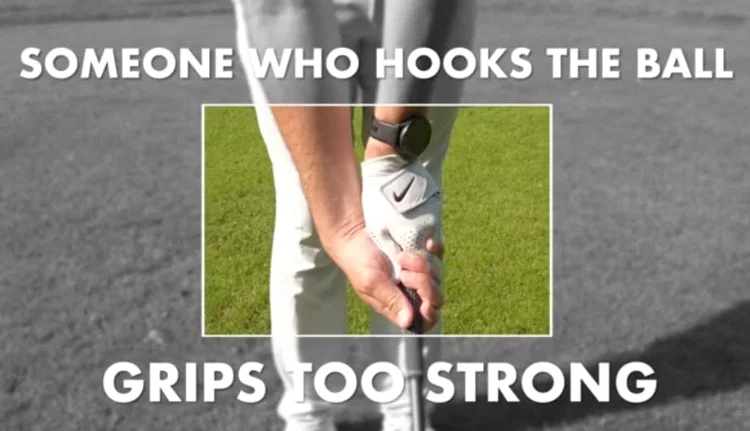
If you hook the ball, your grip is likely too strong. Here's the fix:
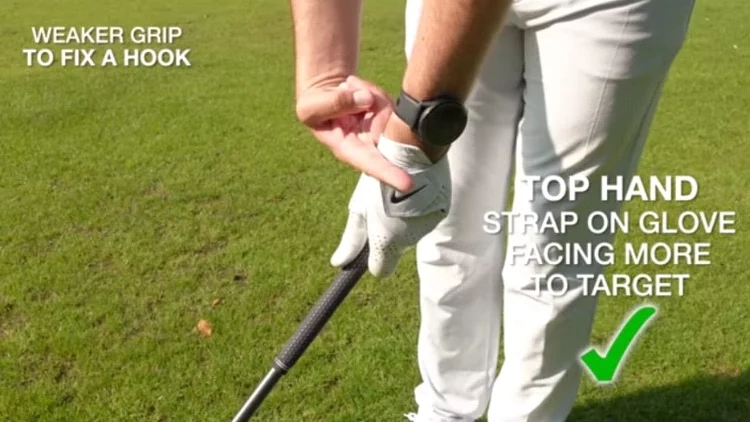
- Rotate both hands slightly counterclockwise (weakening the grip)
- You should see about 2 knuckles on your lead hand — not 3 or 4
- The "V" of each hand should point closer to your chin than your trail shoulder
- Check that your trail hand isn't wrapped too far underneath the club
A neutral grip gives you room to release the club naturally without the face slamming shut.
Body Rotation
The most common cause of hooks among better players is stalled body rotation. When your body stops turning through impact, your hands flip the clubface closed. To fix this:
- Focus on rotating your belt buckle toward the target through impact
- Feel like your chest faces the target at finish — not hanging back
- Practice half-swings where your body leads and hands stay passive
- Ensure your weight transfers fully to your lead foot by impact
Clubface Control
To prevent the face from closing too aggressively:
- Quiet your hands through impact — less forearm rotation
- Feel like you're holding the face open slightly longer through the hitting zone
- Practice hitting punch shots where the face stays looking at the target longer
- Check your ball position — moving it slightly forward can help the face stay neutral
Learning to put backspin on the ball also requires similar clubface awareness, so these skills build on each other.
Warning: Don't overcorrect a hook by weakening your grip too much or aiming way right. This creates a two-way miss that's nearly impossible to manage on the course. Make small adjustments — one variable at a time.
Mistakes That Make Slices and Hooks Worse
When you're battling a slice or hook on the course, panic often leads to compensations that compound the problem. Here are the most common errors golfers make when trying to fix their ball flight mid-round — and what to do instead.
Slice Mistakes
- Aiming further left: This steepens your outside-in path, making the slice worse. Instead, aim at your target and trust grip/path changes.
- Swinging harder — more speed with an open face just means a bigger slice that goes farther offline
- Flipping the hands at impact to close the face — this creates inconsistency and blocks
- Only practicing with the driver — your irons have the same path issue, and they're easier to diagnose
- Ignoring your setup — open shoulders at address pre-program an outside-in path
If you're a beginner still learning the rules of golf, don't stress about fixing your slice immediately. Getting comfortable with the basics matters more early on.
Hook Mistakes
- Standing further from the ball: This flattens your swing and can increase the inside-out path that feeds the hook
- Weakening the grip excessively — going from too strong to too weak just trades a hook for a slice
- Tensing up through impact — tension kills rotation, which is exactly what causes hooks in the first place
- Blaming the club — while shaft flex and lie angle matter, a hook is almost always a swing issue
- Ignoring tempo — rushing the transition is a major hook trigger for better players
The biggest mistake across both misses? Trying to fix everything at once. Pick one adjustment, commit to it for at least a full practice session, and measure the results before adding another change. Golf improvement is incremental — trust the process.
Final Thoughts
Now that you understand the mechanics behind the golf slice vs golf hook, pick the fix that matches your miss and commit to it on the range this week. Grab a can of foot spray to mark where the ball hits your clubface, film a few swings on your phone to check your path, and give yourself at least three focused sessions before expecting results. Your straighter ball flight is closer than you think — it just takes deliberate practice on the right fundamentals.



About Bill Winters
Those who have not yet tried the sport just can’t imagine what is driving these golfers to brave the sun’s heat and go around a course bigger than several football fields combined. It seems like an awful lot of work considering that the ball is quite small that is must be hard to hit, the ground of the course is not flat and, most annoying of all, there are sand traps lying around seemingly bent on preventing a player from finishing the course.
Follow & Subscribe for more:


About the Author

The game of golf may seem like an awful lot to take on when one considers that the ball is quite small, must be hard to hit and carry through windy conditions with little chance for error. The ground course has hillsides which make it challenging enough without adding sand traps who seem bent on preventing players from completing their round!
Get the FREE Gifts now. Or receive the latest golf eBooks for free from our bestselling.
Disable Ad Block to reveal all the secrets. Once done, hit a below button: