Last summer, I stood on the first tee at Arcadia Bluffs with Lake Michigan stretching out behind the green, and it hit me — you don't need a private membership to play world-class golf in this state. Michigan is loaded with public tracks that rival exclusive clubs in both beauty and challenge. If you're searching for the best public golf courses in Michigan, you're about to discover layouts that wind through sand dunes, dense forests, and rolling farmland, all open to anyone willing to pay a green fee. Whether you're planning a golf trip or just looking for a weekend round close to home, this guide breaks down everything you need to know.

Michigan has more public golf courses per capita than almost any other state. From the famous resort destinations up north to hidden gems in the Lower Peninsula, you can play a different course every weekend for years and never run out of options. The trick is knowing which ones are actually worth your time and money — and which ones just look good on Instagram.
This guide covers the standout courses, practical booking tips, common mistakes to dodge, and how to plan rounds whether you're a beginner or a low-handicap player chasing your next challenge.
Contents
- How to Pick the Right Public Course for You
- Top Public Courses Worth Every Dollar
- Navigating Tee Time Challenges in Michigan
- Best Courses for Every Type of Golfer
- Mistakes Golfers Make When Booking Michigan Courses
- Building Your Michigan Golf Bucket List
- Courses for Beginners vs Experienced Players
- Frequently Asked Questions
- Final Thoughts
How to Pick the Right Public Course for You
What Actually Matters in a Public Course
Green fees at Michigan's best public golf courses range from $35 at municipal tracks to over $200 at resort destinations. Price alone tells you almost nothing. What separates a great public course from a forgettable one comes down to three things: course conditioning, pace of play, and layout variety. A $60 course with firm, fast greens and a four-hour pace beats a $150 course where you're waiting on every tee box.
Pay attention to whether the course offers multiple tee options. You want at least four sets so you can match the yardage to your game. Also check if they allow walking — courses that mandate carts are often more concerned with revenue than your experience.
Reading Reviews the Smart Way
Online reviews skew toward extremes. One bad round in the rain doesn't make a course terrible, and one lucky hole-in-one doesn't make it a masterpiece. Look for reviewers who mention specific holes, conditioning details, and pace of play. Those are the reviews worth trusting. If you're new to evaluating courses, brushing up on golf rules for beginners helps you appreciate what good course design actually does for your game.
Top Public Courses Worth Every Dollar
Northern Michigan Headliners
Northern Michigan is the epicenter of public golf in the Midwest. The Traverse City and Petoskey corridor alone has enough courses to fill a week. Arcadia Bluffs sits on a bluff above Lake Michigan with links-style holes that feel straight out of Scotland. Forest Dunes in Roscommon gives you two distinct experiences — the Tom Doak reversible course plays as a completely different layout depending on the day.
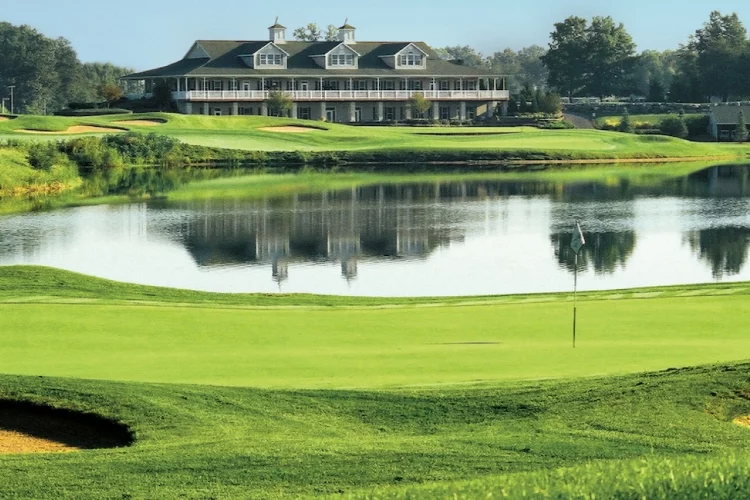
Treetops Resort in Gaylord remains a powerhouse with four courses designed by Robert Trent Jones Sr., Tom Fazio, and Rick Smith. The Masterpiece course alone is worth the drive. Bay Harbor Golf Club near Petoskey offers 27 holes along the Lake Michigan shoreline — the Links nine is routinely ranked among the best public holes in America.
Pro tip: Book northern Michigan courses on weekdays during late June or September. You'll get the same pristine conditions at 30-40% lower green fees than peak July and August rates.
Lower Peninsula Standouts
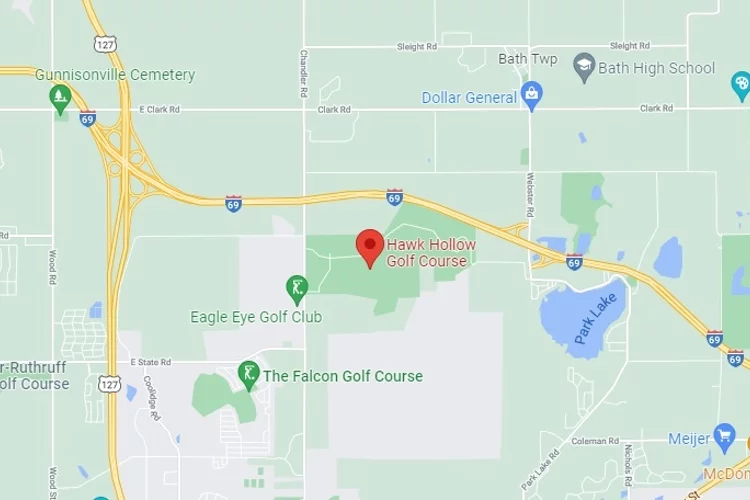
You don't have to drive five hours north to find great golf. Hawk Hollow in Bath (near Lansing) delivers a championship experience with rolling terrain and well-maintained greens. Eagle Eye at the Hawk Hollow complex adds a Pete Dye–inspired layout with island greens and railroad ties.
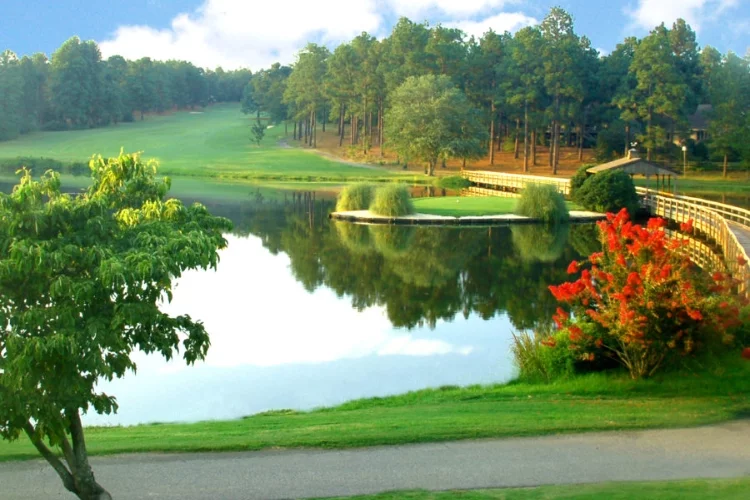
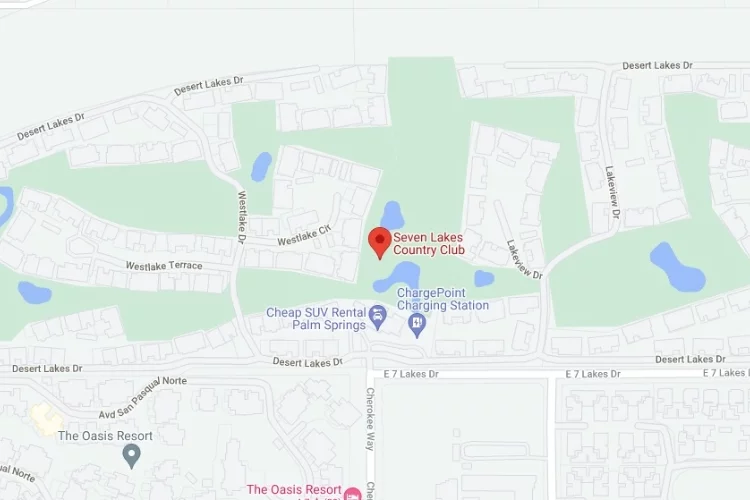
Seven Lakes Golf Course in Holland gives you a solid West Michigan option with water on nearly every hole. The course plays longer than it looks, so bring your A-game off the tee.
| Course | Location | Green Fee Range | Holes | Walkable | Designer |
|---|---|---|---|---|---|
| Arcadia Bluffs | Arcadia | $125–$225 | 18 | Yes | Warren Henderson |
| Forest Dunes (Loop) | Roscommon | $100–$200 | 18 (reversible) | Yes | Tom Doak |
| Bay Harbor Golf Club | Bay Harbor | $100–$195 | 27 | Limited | Arthur Hills |
| Treetops (Masterpiece) | Gaylord | $60–$130 | 18 | No | Robert Trent Jones Sr. |
| Hawk Hollow | Bath | $45–$85 | 18 | Yes | Jerry Matthews |
| Eagle Eye | Bath | $55–$95 | 18 | Yes | Chris Lutzke |
| Seven Lakes | Holland | $30–$55 | 18 | Yes | — |
| Tullymore Golf Resort | Stanwood | $80–$150 | 18 | Yes | Jim Engh |
Navigating Tee Time Challenges in Michigan
Beating the Peak Season Rush
Michigan's golf season runs roughly May through October, with July and August being the busiest months. The top resort courses book out weeks in advance during peak season. Your best move is to book tee times 14–21 days ahead for popular courses. Many offer online booking through GolfNow or their own websites, and cancellation policies are usually flexible up to 24 hours out.
Twilight rates kick in around 2–3 PM at most courses and can save you 40–50% off morning rates. If you don't mind starting later, this is the easiest money hack in Michigan golf.
Working Around Michigan Weather
Michigan weather is unpredictable. You can start a round in sunshine and finish in a downpour. Always check the hourly forecast, not just the daily summary. Pack a lightweight rain jacket and a dry glove in a ziplock bag. Courses rarely cancel for light rain, and honestly, some of the best rounds happen when fair-weather golfers stay home and the course opens up.
Best Courses for Every Type of Golfer
Buddies Trips and Group Outings
For a buddies trip, you want variety, convenience, and a place to gather after the round. The Gaylord corridor is purpose-built for this. Treetops, Otsego Club, and Wilderness Valley are all within 20 minutes of each other. Book a stay-and-play package and you can hit three or four courses without changing hotels. If your group enjoys different formats like a scramble, these resorts accommodate groups of all sizes with flexible tee time spacing.
Solo Rounds and Walkable Layouts
Solo golf is underrated. If you enjoy walking, look for courses with minimal elevation change between green and next tee. Arcadia Bluffs, despite its blufftop setting, is very walkable and even encourages it with caddie availability. Hawk Hollow is another strong walking course with a logical routing that doesn't force long treks between holes.
Mistakes Golfers Make When Booking Michigan Courses
Falling for Price Traps
The biggest mistake is equating the highest green fee with the best experience. Some of Michigan's most enjoyable rounds happen at courses charging under $70. Tullymore Golf Resort in Stanwood is a perfect example — it flies under the radar compared to Arcadia Bluffs but delivers an equally memorable experience for less money. Don't sleep on municipal courses either. The Orchards in Washington Township and Groesbeck in Lansing punch well above their price point.
Ignoring Course Conditions
Booking based on photos alone burns golfers constantly. A course that looks stunning in promotional shots from three years ago might have new ownership that cut the maintenance budget. Check recent reviews from the current season before you commit. Also ask about aeration schedules — courses typically punch greens in spring and early fall. Playing on freshly aerated greens is no fun, and a quick phone call saves you the disappointment.
Watch out: Many resort courses charge extra for GPS-equipped carts, range balls, or even course guides. Ask about all-in pricing before you book so the final bill doesn't surprise you.
Building Your Michigan Golf Bucket List
Planning a Multi-Day Itinerary
A well-planned Michigan golf trip covers two or three regions over four to five days. Start in the Lansing area with Hawk Hollow and Eagle Eye. Drive north to the Gaylord corridor for two days at Treetops and Otsego. Finish along the coast at Arcadia Bluffs or Bay Harbor. This routing keeps daily drives under two hours and gives you a mix of parkland, heathland, and links-style golf.
According to the Wikipedia entry on golf in the United States, Michigan consistently ranks in the top five states for total number of golf courses — which means you'll never exhaust your options even after multiple trips.
Off-Season Value Plays
May and October are the sweet spot. Courses are open, conditions are solid, and rates drop significantly. Early May can be hit or miss with rain, but mid-to-late May is often perfect. October brings fall color that makes every hole look like a postcard — though daylight gets shorter and you'll want to start early.
Courses for Beginners vs Experienced Players
Forgiving Layouts for New Golfers
If you're still finding your swing, avoid courses with lots of water and forced carries. Seven Lakes in Holland has wide fairways on several holes and forward tees that bring the course down to a manageable length. Hawk Hollow's front nine is relatively open compared to the back and gives newer players room to spray the ball without losing a sleeve of Pro V1s every round.
New golfers should also consider how long 18 holes typically takes when choosing a course. Busier resort courses can stretch a round to five hours, which is tough on a beginner's stamina and patience.
Championship Tests for Low Handicaps
If you're a single-digit handicap looking for a challenge, put Forest Dunes and Arcadia Bluffs at the top of your list. The Loop at Forest Dunes, designed by Tom Doak, is a true test of course management with minimal trees and maximum exposure to wind off the surrounding terrain. Arcadia Bluffs from the back tees plays over 7,300 yards with Lake Michigan winds that can add two clubs to your approach shots. These are courses that reward shot-making over raw distance.
Frequently Asked Questions
What are the best public golf courses in Michigan for first-time visitors?
Arcadia Bluffs, Forest Dunes, and Treetops Resort are the three courses most first-time visitors should prioritize. Each offers a distinctly different experience — coastal links, heathland, and traditional parkland — giving you a full picture of what Michigan golf has to offer.
How much does it cost to play public golf in Michigan?
Green fees range from $25–$35 at municipal courses to $125–$225 at top resort destinations. The sweet spot for quality-to-value is the $50–$90 range, where courses like Hawk Hollow and Tullymore deliver excellent conditions without the resort premium.
When is the best time to golf in Michigan?
Late June through mid-September offers the most reliable weather and longest daylight. For the best value, target mid-May or October when rates drop 30–50% and courses are less crowded.
Can you walk most public courses in Michigan?
Many of the top public courses allow walking, including Arcadia Bluffs, Forest Dunes, and Hawk Hollow. Some resort courses require carts, especially during peak hours, so always confirm the walking policy when you book your tee time.
Are stay-and-play packages worth it in Michigan?
Absolutely. Resort areas like Gaylord and Traverse City offer packages that bundle lodging, multiple rounds, and sometimes meals for significantly less than booking everything separately. Savings of 20–30% are common with multi-day packages.
What is the hardest public golf course in Michigan?
Arcadia Bluffs from the championship tees is widely considered the toughest public test in the state. The combination of length (7,300+ yards), wind exposure from Lake Michigan, and firm conditions makes it a brutal challenge even for scratch golfers.
Do Michigan public courses offer caddie services?
A few do. Arcadia Bluffs has a full caddie program, and Forest Dunes offers caddies on select courses. Most other public courses are cart-or-walk only without caddie availability.
How far in advance should you book tee times in Michigan?
For peak season at top courses, book 14–21 days ahead. Popular weekend morning slots fill up fastest. For weekday rounds or shoulder-season play, a few days' notice is usually sufficient at most courses.
Final Thoughts
Michigan has some of the finest public golf in the country, and the best way to experience it is to stop reading and start booking. Pick one course from this list you haven't played, lock in a tee time for this season, and get out there. Your best round in Michigan is still ahead of you — go find it.



About Bill Winters
Those who have not yet tried the sport just can’t imagine what is driving these golfers to brave the sun’s heat and go around a course bigger than several football fields combined. It seems like an awful lot of work considering that the ball is quite small that is must be hard to hit, the ground of the course is not flat and, most annoying of all, there are sand traps lying around seemingly bent on preventing a player from finishing the course.
Follow & Subscribe for more:


About the Author

The game of golf may seem like an awful lot to take on when one considers that the ball is quite small, must be hard to hit and carry through windy conditions with little chance for error. The ground course has hillsides which make it challenging enough without adding sand traps who seem bent on preventing players from completing their round!
Get the FREE Gifts now. Or receive the latest golf eBooks for free from our bestselling.
Disable Ad Block to reveal all the secrets. Once done, hit a below button: