A study by Titleist found that dirty clubfaces can reduce spin rates by up to 25%, costing you distance and accuracy on every shot. If you've ever wondered how to clean golf clubs the right way, you're not alone — it's one of the most overlooked aspects of golf club maintenance. Whether you're playing twice a week or once a month, keeping your equipment clean directly impacts performance. The good news is that it takes less effort than you think, and you probably already have most of the supplies at home.

Dirt, grass, sand, and moisture build up in the grooves of your irons and wedges after every round. That buildup doesn't just look bad — it physically prevents the clubface from gripping the ball properly. You lose control over your ball flight, your spin numbers drop, and your short game suffers. Cleaning your clubs regularly is one of the simplest ways to shave strokes without changing a single thing about your swing.
This guide walks you through everything from quick post-round wipe-downs to deep cleaning sessions, covering irons, woods, putters, grips, and shafts. You'll also learn which products actually work, which popular cleaning myths to ignore, and how to build a maintenance routine that keeps your clubs performing like new for years.
Contents
- Clean vs. Dirty Clubs: What the Numbers Say
- Basic vs. Deep Cleaning: Which Method Do You Need?
- Essential Supplies for How to Clean Golf Clubs
- How to Clean Golf Clubs Step by Step
- Golf Club Cleaning Myths You Need to Stop Believing
- When and How Often to Clean Your Clubs
- Pro Tips to Keep Your Clubs in Peak Condition
- Frequently Asked Questions
Clean vs. Dirty Clubs: What the Numbers Say
The performance gap between clean and dirty clubs is measurable and significant. Independent testing shows that clogged grooves reduce backspin by 2,000+ RPM on wedge shots, which translates to balls that roll out instead of checking up on the green. For mid-irons, dirty faces reduce control just enough to turn a pin-seeking shot into a two-putt situation.
| Factor | Clean Clubs | Dirty Clubs |
|---|---|---|
| Backspin (wedges) | 8,000–9,500 RPM | 6,000–7,200 RPM |
| Launch consistency | ±1.2° variation | ±3.5° variation |
| Grip traction (wet) | Firm, predictable | Slippery, inconsistent |
| Distance control (7-iron) | ±3 yards | ±8 yards |
| Club lifespan | 10–15 years | 5–8 years |
Those numbers add up fast over 18 holes. If your wedges aren't spinning properly, you're leaving yourself longer putts. If your irons are inconsistent, you're guessing at distances instead of trusting them. Regular cleaning eliminates a variable you don't need in your game.
Basic vs. Deep Cleaning: Which Method Do You Need?
The Quick Post-Round Clean
This is the cleaning you should do after every single round. It takes about two minutes and prevents buildup from hardening in the grooves. All you need is a wet towel and a groove brush. Wipe each clubface, run the brush through the grooves, and dry with a second towel. That's it.
If you're someone who's still working on the fundamentals of your golf swing, clean clubs give you more consistent feedback on every shot. You'll know that a mis-hit was your technique, not debris on the face.
The Full Deep Clean
A deep clean is a 20-minute session you do every 5–10 rounds or at the start and end of each season. This involves soaking irons, scrubbing grooves thoroughly, cleaning grips with soapy water, wiping down shafts, and inspecting ferrules for cracks. It's the reset button for your entire bag.
Pro tip: Never soak woods, hybrids, or putters — water can seep into the hosel and damage internal adhesives. A damp cloth and quick wipe is all these clubs need.

Essential Supplies for How to Clean Golf Clubs
What You Need (and What You Don't)
You don't need expensive specialty products. Here's what actually works:
- Warm water — lukewarm, never hot (heat loosens epoxy in hosels)
- Mild dish soap — a few drops in a bucket is plenty
- Soft-bristle brush or old toothbrush — for scrubbing grooves
- Groove sharpener tool — for deep cleaning packed-in debris
- Two microfiber towels — one wet, one dry
- Chrome or steel polish — optional, for cosmetic shine on irons
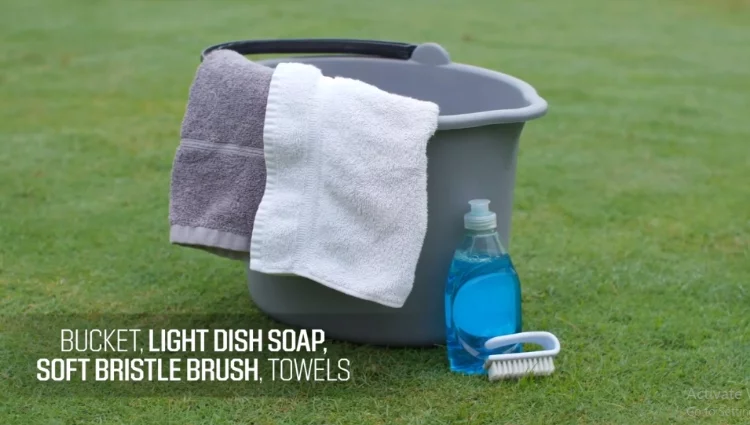
Skip the wire brushes — they scratch chrome and satin finishes. Avoid bleach, abrasive cleaners, and pressure washers. If you're investing in quality golf clubs, protect that investment with gentle cleaning tools. A nylon brush does the job without damaging the finish.
How to Clean Golf Clubs Step by Step
Irons and Wedges
- Fill a bucket with warm water and a squirt of dish soap.
- Submerge the clubheads (not the hosels or shafts) for 5–10 minutes.
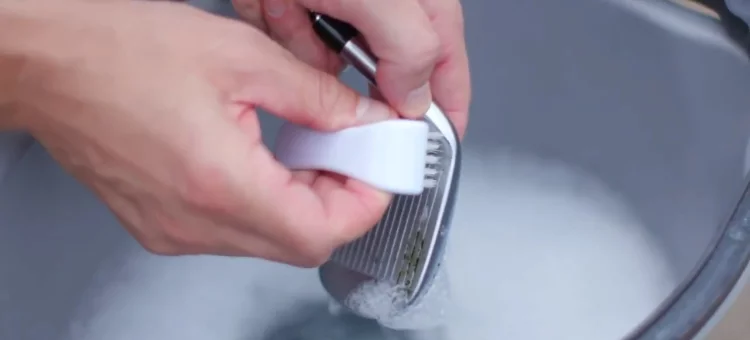
- Scrub each groove with a soft-bristle brush, working heel to toe.
- Rinse under clean running water.
- Dry immediately with a microfiber towel — don't air dry, as water spots can form.
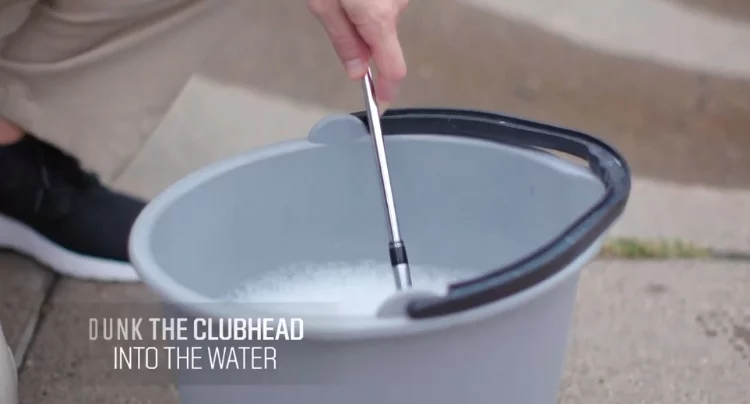
For stubborn dirt packed into grooves, let the clubs soak a few extra minutes. A groove cleaning tool or a wooden tee works well for getting into tight spaces. Your pitching wedge and sand wedge deserve extra attention since they pick up the most debris from bunkers and rough.
Woods and Hybrids
Your driver and fairway woods need a different approach. The hollow construction means water is the enemy.
- Dampen a microfiber cloth with soapy water — wring it out well.
- Wipe the clubface, sole, and crown.
- Use a soft brush on the face grooves (they're shallower than irons).
- Dry completely before putting headcovers back on.
If you play hybrid clubs, treat them the same as woods. The cavity construction traps moisture just as easily. Never submerge them.
Putters
Your putter face has a milled pattern designed to promote forward roll. Dirt in that pattern kills the feel you rely on for distance control. Wipe it down with a damp cloth after every round and use a soft brush monthly. If your putter has a paint fill, avoid abrasive cleaners that strip the color.
Grips and Shafts
Grips deteriorate from sweat, sunscreen, and oils from your hands. Wash them every few rounds with warm soapy water and a cloth. Scrub gently, rinse, and towel dry. Clean grips restore tackiness and extend their lifespan by months. If cleaning no longer brings back the grip texture, it's time for a regrip — typically every 40–60 rounds.
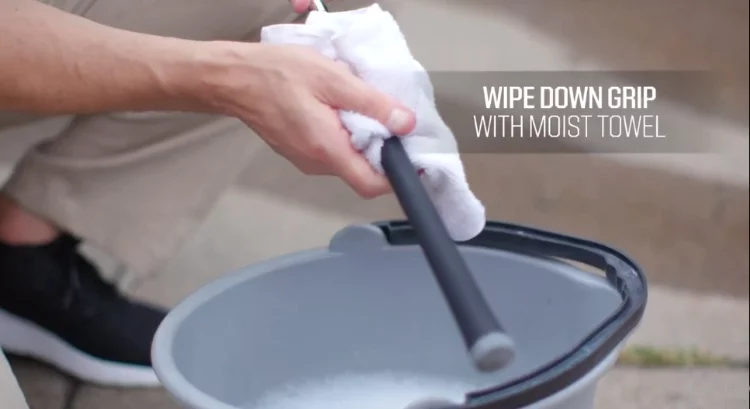
For shafts, wipe down with a damp cloth. Steel shafts can handle a bit more moisture; graphite shafts are more sensitive. Check for nicks or cracks while you clean — catching a damaged golf club shaft early prevents a mid-round break.
Golf Club Cleaning Myths You Need to Stop Believing
There's a lot of bad advice floating around golf forums. Here are the myths that do the most damage:
- "Coca-Cola cleans clubs better than soap." The phosphoric acid in cola can strip finishes and damage chrome plating. Dish soap is safer and more effective.
- "Wire brushes clean grooves faster." They do — and they scratch the face, widen grooves beyond USGA specifications, and void warranties. Stick with nylon.
- "You only need to clean clubs once a season." Buildup starts affecting performance after a single round. Waiting months compounds the problem.
- "Dishwashers work great for irons." The extreme heat warps ferrules, loosens epoxy, and ruins grips. This is one of the fastest ways to destroy a set of clubs.
- "New clubs don't need cleaning." Manufacturing residue sits in grooves right out of the box. Always clean new clubs before your first round.
Warning: If your grooves look worn smooth even after cleaning, they probably are. Wedge grooves lose their sharpness after roughly 75 rounds — cleaning can't restore what's physically worn away.
When and How Often to Clean Your Clubs
Timing matters. Here's a practical schedule:
- During the round: Use the brush and towel on your bag after every shot from the rough, bunker, or muddy lie.
- After every round: Quick wipe-down of all clubfaces and a groove brush pass on irons and wedges. Two minutes.
- Every 5–10 rounds: Deep soak and scrub for irons. Grip wash. Shaft inspection.
- Start and end of season: Full deep clean, grip assessment, shaft and ferrule check.
If you play in wet or sandy conditions, bump up the frequency. Courses near the coast expose your clubs to salt air, which accelerates corrosion. Players who regularly enjoy rounds at courses in Miami or similar coastal areas should be especially diligent about post-round cleaning.
Pro Tips to Keep Your Clubs in Peak Condition
Cleaning is the foundation, but these habits take your club care to the next level:
- Use headcovers on woods and putters. They prevent bag chatter — the scratching and dinging that happens during transport.
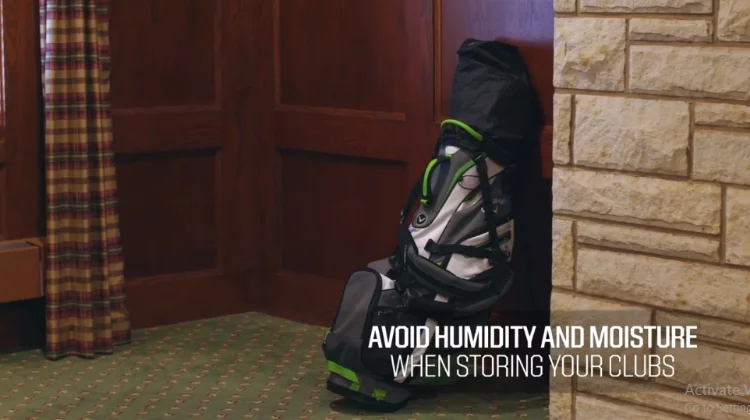
- Store clubs in a cool, dry place. A hot car trunk warps grips and weakens epoxy. Bring your bag inside.
- Dry your clubs before bagging them. Putting wet clubs in a bag with the rain cover on creates a humidity chamber that promotes rust.
- Inspect grooves with a magnifying glass. You'll catch wear patterns and damage you can't see with the naked eye.
- Rotate your wedges. If you practice a lot of short game shots, your wedges wear faster than the rest of your set.
Good equipment maintenance goes hand in hand with good grip technique. Clean grips let you hold the club with lighter pressure, which promotes a smoother swing and better feel through impact. It's a small detail that connects equipment care to on-course performance.
Frequently Asked Questions
Can you use rubbing alcohol to clean golf club grips?
Yes, rubbing alcohol works well for removing oil buildup on rubber grips. Dampen a cloth with isopropyl alcohol, wipe down each grip, and let it air dry. Avoid using alcohol on leather or cord grips — it dries them out and causes cracking. For those grip types, stick with warm soapy water.
How do you clean rust off golf clubs?
For light surface rust on irons, soak the clubhead in warm soapy water for 10 minutes, then scrub with a nylon brush or fine steel wool (grade 0000 only). For heavier rust, apply a small amount of white vinegar to the affected area, let it sit for 5 minutes, then scrub and rinse thoroughly. Always dry immediately and apply a light coat of chrome polish to prevent recurrence.
Is it safe to clean golf clubs with a pressure washer?
No. Pressure washers force water into hosels, loosen ferrules, strip finishes, and can damage shaft-to-head bonding. The high pressure also drives debris deeper into grooves rather than removing it. A bucket of warm soapy water and a soft brush is safer, cheaper, and more effective for every club type in your bag.
A clean club doesn't make you a better golfer — but it stops your equipment from making you a worse one.



About Bill Winters
Those who have not yet tried the sport just can’t imagine what is driving these golfers to brave the sun’s heat and go around a course bigger than several football fields combined. It seems like an awful lot of work considering that the ball is quite small that is must be hard to hit, the ground of the course is not flat and, most annoying of all, there are sand traps lying around seemingly bent on preventing a player from finishing the course.
Follow & Subscribe for more:


About the Author

The game of golf may seem like an awful lot to take on when one considers that the ball is quite small, must be hard to hit and carry through windy conditions with little chance for error. The ground course has hillsides which make it challenging enough without adding sand traps who seem bent on preventing players from completing their round!
Get the FREE Gifts now. Or receive the latest golf eBooks for free from our bestselling.
Disable Ad Block to reveal all the secrets. Once done, hit a below button: